In today’s competitive digital world, having a website is not enough. You need to make sure people can find your website when they search online. That’s where SEO (Search Engine Optimization) plays a crucial role. Whether you’re a small business owner, a content creator, or someone starting a digital career, learning SEO is a game-changer.
If you’ve just started exploring the world of digital marketing, chances are you’ve come across the term SEO — but what exactly does it mean, and how can it help your website grow? This guide breaks down the basics in the simplest way possible, helping you understand how search engines work and what steps you can take to start ranking higher on Google.
What is SEO?
SEO (Search Engine Optimization) is the practice of optimizing your website and its content to improve its visibility on search engines like Google, Bing, and Yahoo. When someone types a query into a search engine, the goal is to make sure your website appears among the top results — ideally on the first page — without having to pay for ads.
In simple terms, SEO helps your website show up when people search for products, services, or information related to your business. For example, if someone searches “best coffee shop in Malappuram” and your café website appears in the top results, that’s because of good SEO.
Why SEO Matters
More than 90% of online experiences begin with a search engine. If your website doesn’t appear in search results, it’s as if your business doesn’t exist online. Good SEO increases organic traffic, builds brand credibility, and improves the chances of turning visitors into customers.
Unlike paid ads, which stop delivering results once your budget runs out, SEO provides long-term benefits. Once your pages are well-optimized and ranked, they can generate traffic for months or even years.
Key Components of Search Engine Optimization
SEO is a combination of different strategies, including:
- Keyword Research: Finding the right words and phrases that your target audience types into search engines. For example, “freelance digital marketer in Malappuram” is a keyword someone might use to find a local marketer.
- On-Page: Optimizing individual pages on your website. This includes using keywords in your content, writing strong titles and meta descriptions, using header tags (H1, H2, etc.), and adding alt text to images.
- Off-Page : Activities done outside your website to improve its reputation and authority. The most important element is backlinks — when other websites link to yours, it signals trust to search engines.
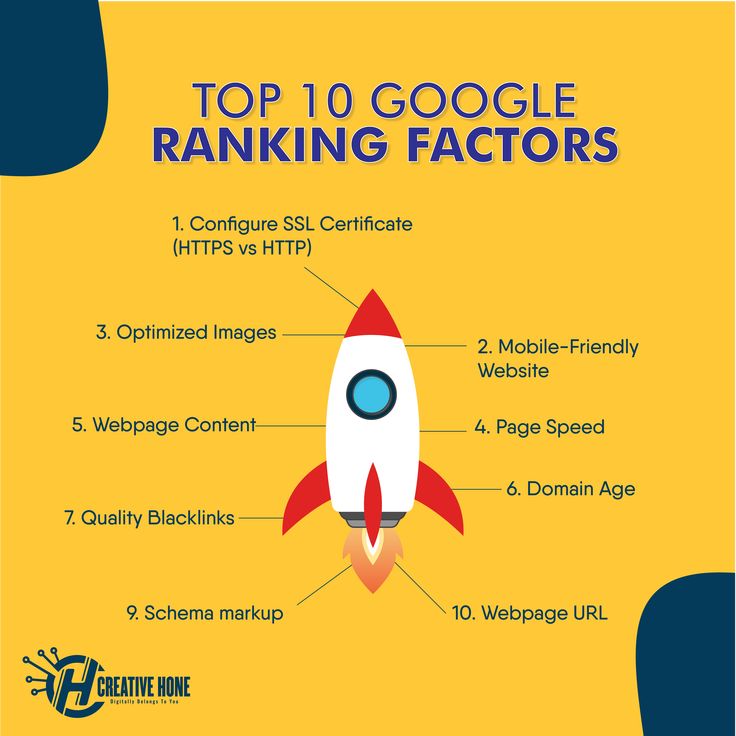
- Technical SEO: Ensuring your website is easy for search engines to crawl and index. This includes having a mobile-friendly design, fast loading speeds, secure HTTPS, and clean website architecture.
- Content Creation: Creating high-quality, informative, and engaging content that answers users’ questions. Content is the heart of Search engine optimization. The more valuable your content, the more likely it is to rank well.
How Search Engines Work
Search engines use crawlers (also called bots or spiders) to scan and index web pages. When someone types in a query, the search engine uses complex algorithms to decide which pages are most relevant and useful. Factors like content quality, keyword relevance, user experience, and website authority all influence your rankings.
SEO may seem technical, but at its core, it’s about providing value and making your website easy to find and understand. Whether you’re a blogger, small business owner, or content creator, investing time in SEO is one of the smartest ways to grow online.
As the Best Freelance Digital Marketer in Malappuram, I’ve helped local businesses and brands grow their online presence. In this blog, I’ll explain the top 10 SEO terms every beginner should know — in simple words, with examples and relevance.
1. Keyword
A keyword is a word or phrase that users type into search engines like Google to find information. SEO starts with identifying the right keywords related to your business or content.
Why it matters:
Search engines show results based on keywords. When your content includes the right keywords, it becomes easier for people to discover your website.
Example:
If someone searches for “Best Freelance Digital Marketer in Malappuram”, and your blog or website has this keyword naturally placed, you have a higher chance of appearing in the results.
2. SERP (Search Engine Results Page)
SERP is the page that appears after a user enters a query in a search engine. It displays a list of results — both organic (non-paid) and paid (ads).
Why it matters:
You want your website to appear as high as possible on the first page of SERP, because most users never go to the second page.
Features of a SERP:
- Website links
- Meta titles & descriptions
- Featured snippets
- Local map packs
- Videos or images
3. On-Page SEO
This refers to all the optimizations you do within your website pages to help search engines understand your content better.
Important elements of On-Page SEO:
- Page titles (H1)
- Headings (H2, H3)
- Meta descriptions
- URL structure
- Internal linking
- Image optimization
- Keywords in content
Why it matters:
Proper on-page SEO helps your content rank better and improves user experience.
4. Off-Page SEO
Off-Page SEO includes activities done outside your website that impact your search rankings. The goal is to build trust, authority, and visibility.
Examples:
- Getting backlinks from other websites
- Social media shares
- Online reviews
- Guest blogging
Why it matters:
It tells search engines that other people trust your site, which helps in ranking higher.
5. Backlink
A backlink is a hyperlink from one website to another. When another website links to your page, it tells search engines that your content is useful and trustworthy.
Types:
- Do-follow backlinks (valuable for SEO)
- No-follow backlinks (don’t pass link juice but still useful)
Why it matters:
Backlinks from reputable websites boost your credibility and improve your search rankings.
6. Meta Description
A meta description is a short summary of a page’s content that appears under the title in the search results.
Ideal length:
Between 150–160 characters.
Why it matters:
While it doesn’t directly impact ranking, a well-written meta description increases click-through rates by attracting more visitors.
7. Alt Text (Alternative Text)
Alt text is a written description of an image on your website. It’s important for both SEO and accessibility.
Why it matters:
- Helps visually impaired users understand images
- Allows search engines to understand what the image is about
- Improves image SEO and visibility in Google Image Search
8. Bounce Rate
The bounce rate is the percentage of visitors who land on your website and leave without interacting (like clicking a link or visiting another page).
High Bounce Rate = Problem?
- Yes, if it means users aren’t finding what they need.
- No, if your site provides all info on one page (like a blog or FAQ).
Why it matters:
A high bounce rate can signal to Google that your content isn’t engaging or relevant.
9. Domain Authority (DA)
Domain Authority, developed by Moz, is a score (from 1 to 100) that predicts how likely a website is to rank on search engines.
What affects DA?
- Age of domain
- Number of quality backlinks
- Overall SEO structure
Why it matters:
Higher DA websites are generally more trusted by search engines and can rank higher than lower DA competitors.
10. Organic Traffic
Organic traffic refers to visitors who come to your site through unpaid search results, not ads.
Why it matters:
- It’s sustainable and free
- Indicates strong SEO performance
- Brings in users actively searching for your services or content
Example:
If your blog post ranks on page one of Google and gets daily visits — that’s organic traffic working for you.
Conclusion: Start Your SEO Journey with Confidence
Understanding the basics of SEO is the first step toward building a strong and sustainable online presence. From learning key terms like keywords, backlinks, and meta descriptions to grasping the importance of on-page and off-page SEO, you now have a foundation to grow from.
SEO might seem technical at first, but with consistent learning and practical application, it becomes much easier to navigate. Remember, it’s not about gaming the system — it’s about creating value for your audience while making your content discoverable by search engines.
If you’re serious about growing your brand, blog, or business online, mastering SEO is essential. Start small, stay consistent, and always keep your audience in mind.
As someone who works closely with businesses across Kerala, I’ve seen how basic SEO knowledge can lead to powerful results. If you ever feel stuck or want a more personalized strategy, don’t hesitate to reach out.
Final Words from the Best Freelance Digital Marketer in Malappuram
Understanding these SEO terms is just the beginning. To grow your brand or website online, you need strategic SEO planning, content creation, and consistent monitoring. Whether you’re a local business in Kerala or building a personal brand, SEO is your secret weapon for long-term success.
As the Best Freelance Digital Marketer in Malappuram, I help entrepreneurs, creators, and small businesses:
- Build SEO-friendly websites
- Improve search engine rankings
- Drive organic traffic and leads
In today’s digital landscape, understanding and applying the fundamentals of SEO is essential for anyone looking to grow online. Whether you’re a beginner managing a blog, a business owner promoting your services, or a content creator aiming for visibility, SEO provides the foundation for long-term success. It’s not just about ranking on Google—it’s about connecting with the right audience at the right time through relevant, helpful content. By learning how to research keywords, optimize on-page elements, build backlinks, and create high-quality content, you can steadily improve your search engine rankings and drive organic traffic.
SEO is a continuous process that evolves with search engine algorithms, but its core principles remain the same: value, relevance, and user experience. Instead of viewing SEO as a one-time task, think of it as an ongoing investment in your online presence. The more effort you put into it, the more returns you’ll see over time. If you’re new to SEO, start with the basics, be patient with the results, and focus on consistent improvement. As the digital world grows more competitive, strong SEO gives you the edge to stand out and succeed. And remember, you don’t have to do it alone—experts are always here to help.
Ready to grow your online presence?
📩 Contact me today for a free consultation and let’s boost your digital visibility together!